
Blog
When a Sun City Garage Door Is Worth Repairing - and When It Isn't
A look at when to repair and when to replace a garage door in Sun City, where most houses date to 1979-2005 and summer heat punishes springs, rollers, and seals hard.
Leaving It Alone
Not every door that looks tired needs work. Most of the housing stock in this part of the Valley went up between 1979 and 2005, with the median build year landing around 2001, so a lot of original doors are now in their twenties to mid-forties. If the door still opens level, the springs aren't rubbing or gapping, and the opener reverses when it should, you don't need to call anyone. Swap the batteries in the remote, hose off the bottom weatherstrip when it gets dusty, and leave it. A door that's quiet and balanced is doing its job, and there's no reason to replace hardware just because it's old. Replacing good parts because of their age alone is the kind of upsell this trade is known for, and it's not how we'd want a job done on our own house.
What to Look At First
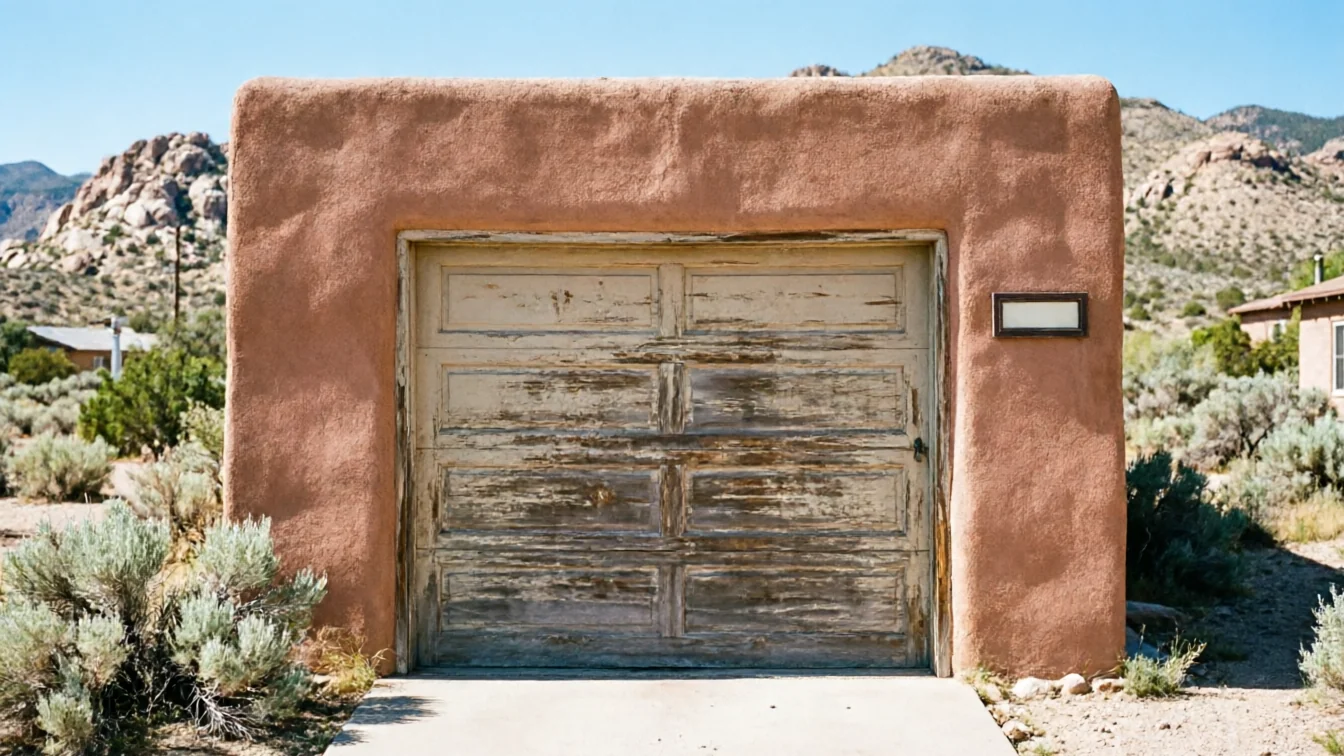
Before assuming a door needs a tech, walk it through a manual check. Disconnect the opener and lift the door by hand - it should move smoothly and hold at waist height on its own. If it falls or shoots up, the spring tension is off, and that's not a DIY adjustment given how much force is stored in a wound torsion spring. Look at the rollers next: in a lot of the 2000s-era construction across these neighborhoods, the original rollers are still steel, and after two-plus decades of summer heat they can glaze and start chattering in the track. Check the bottom seal too. If it's cracked or flattened, bugs and dust get in, which matters more here than it would somewhere with a milder summer.
What Local Conditions Do
This area sits in a climate band rated severe heat, and that number isn't abstract once you're looking at a garage door. Summer heat cycles the steel panel and the torsion spring through daily expansion and contraction that doors in milder climates never see. Springs lose temper faster, lubricant on the track and hinges cooks off quicker than the label suggests, and foam-core panels - common in doors from the 1979-2005 build window - can delaminate from the steel skin over the years as the glue dries out in the heat. None of this means a door is doomed. It means the maintenance schedule that works in a cooler state doesn't hold up here, and a door that would last forty years elsewhere needs a closer look at year twenty in this heat.
The Problem
The real issue is timing, not any one part. Across the roughly 24,059 owner-occupied houses among the 32,966 households in this service area, a big share of the garages were built within the same couple of decades, which means a big share of the original torsion springs, rollers, and opener motors are aging out at roughly the same time. At a median household income of $74,764, a full door replacement is a cost most homeowners here want to avoid if a repair will genuinely hold. The honest limit: once a steel panel has delaminated or rusted through at the bottom, or the torsion shaft itself is pitted, patching it is a short-term fix at best, and we'll tell you that instead of billing for a repair that won't last the next summer.
Questions
Common questions
How do I know if my garage door spring is original to the house?
If your house was built in the 1979-2005 window common to this area and you've never had a spring replaced, it's almost certainly original. A torsion spring under daily heat cycling in a severe heat climate typically doesn't last as long as the house itself, so if you don't have a service record, assume it's due for inspection.
Is it worth replacing just the panel instead of the whole door?
Sometimes. If the rest of the door is a 2000s-era steel model and the damage is limited to one panel from an impact, a matching panel swap can work and costs less than a full door. If the panel has delaminated from heat exposure over the years, matching foam-core construction gets harder to source, and replacement may be the simpler call.
Why does my door feel heavier to lift by hand than it used to?
That usually means the torsion spring has weakened, which happens faster here than in milder climates because of the heat cycling these springs go through every summer. A heavier lift is your door telling you the spring is losing tension before it fails outright, which is the point to get it looked at.
Recommendation
You Might Also Like
More garage door guides for Sun City homeowners.
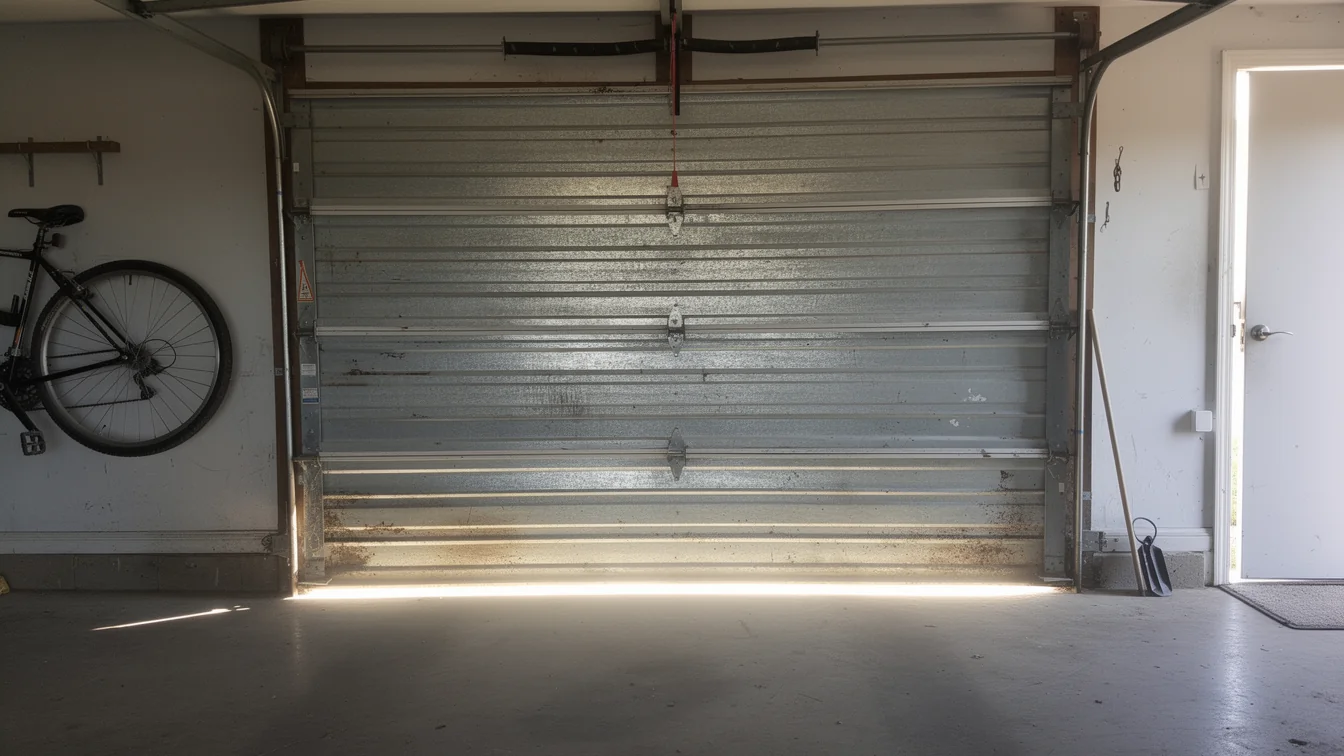 What the 1979-2005 Build Era Means for Your Garage Door
Most Sun City garage doors date to the 1979-2005 building boom.
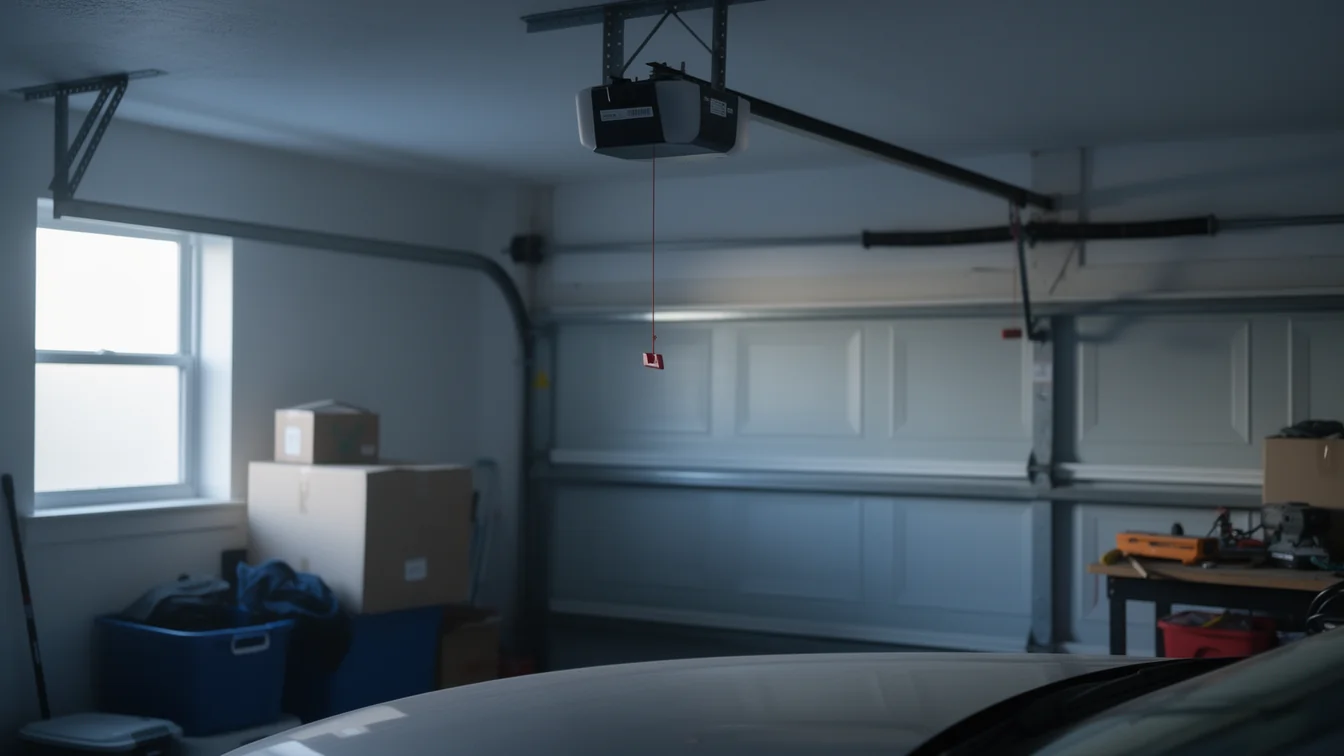 When the Power Cuts Out on a Sun City Opener
Sun City houses built 1979-2005 run openers through brutal summer heat.
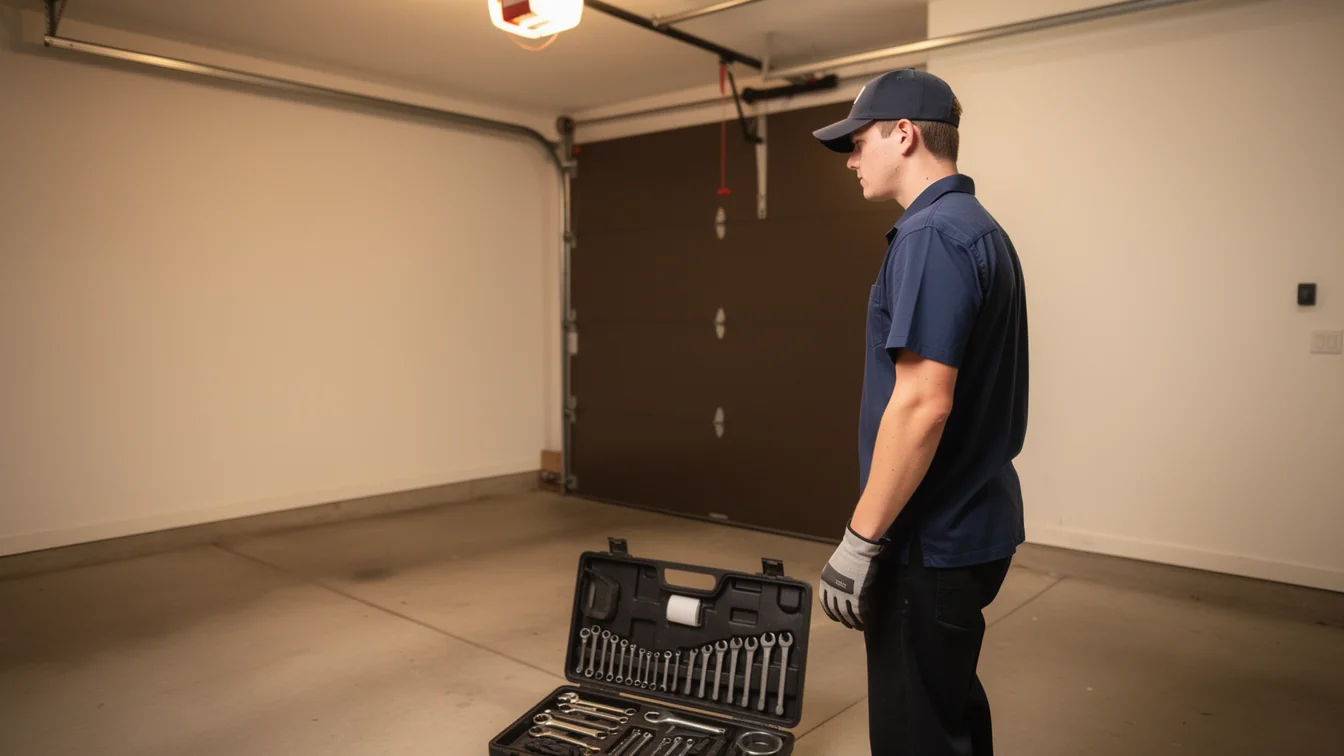 What We Actually Check on a Sun City Service Call
A look at what a Sun City garage door service call actually checks, from 2000s-era hardware to heat-driven wear on tracks, springs, and openers.
Ready when you are
Need a garage door sorted in Sun City?
Sun City Garage Door Pros repairs and installs garage doors, springs and openers in Sun City, AZ and the surrounding area.