
Blog
What Sun City's Build Era and Heat Actually Do to Your Door
Sun City homes mostly went up between 1979 and 2005. Here's what that build era and the severe heat band actually do to a garage door spring and opener.
Leaving It Alone
Most houses in this part of the Valley went up between 1979 and 2005, with the bulk of the stock dating to the 2000s across the named areas around here. That's a narrow window, and it matters: it means most doors and openers on these blocks are roughly the same generation, built to the same codes, using hardware that's still stocked by someone. If your door is quiet, closes square, and the opener reverses when it hits something, you don't need a call. A squeak on an otherwise healthy roller track is a lubrication job, not a service visit. Where it gets risky is assuming that because the house isn't old by national standards, the door parts inside it are young too. A spring installed when a 2001-built house was new is now over twenty years old, and spring steel doesn't care how new the stucco looks. The honest limit here: we can't tell you from a description whether your specific spring is at end of life. Some last the rated cycle count and then some; others go early because of how the door's been used. If it's working smoothly, leave it alone. If it's straining on the last few inches, that's a different conversation.
What to Look At First
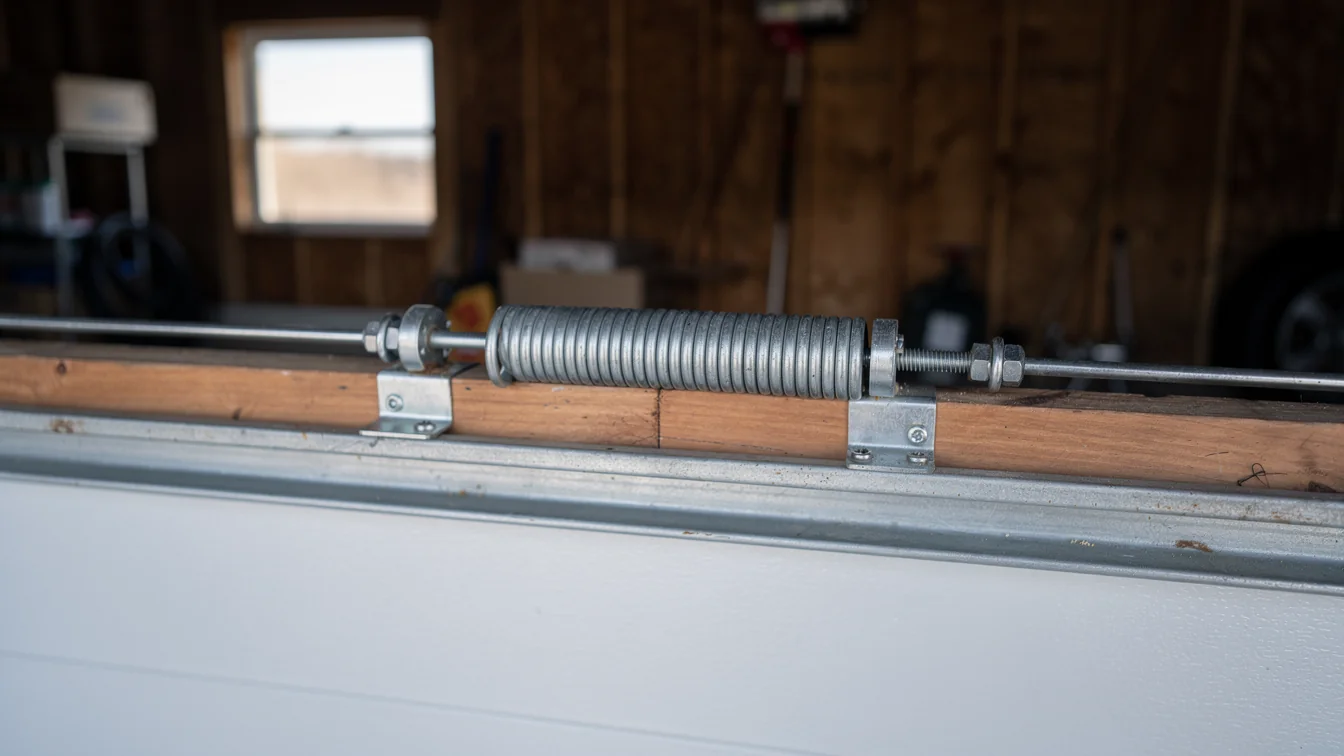
Start with the spring, not the opener, even though the opener is what people call about. On a 2000s-era double door, that's almost always a torsion spring over the opening, not the older extension-style springs you'd find on something built before 1980. Look for a visible gap in the coil or rust concentrated at one section rather than spread evenly. Next, check the cables on either side of the door for fraying near the bottom bracket - this shows up before a cable actually snaps. Then look at the track mounting brackets; in houses from this build era the structure behind the drywall is standard enough that a loose bracket is almost always a lag bolt that's worked free, not a framing problem. Last, the opener itself: if it's original to a house built in the early 2000s, it's past the point where replacement parts are easy to find, and a failing circuit board will often mimic a spring problem - straining, reversing, or refusing to close. Check these four things before you decide what kind of call to make, because a spring symptom and an opener symptom look almost identical from the driveway.
What Local Conditions Do
This area sits in a severe heat band, and heat does specific things to a garage door system that cold never would here. Spring steel fatigues faster at sustained high temperatures - the metal cycles through heat and some cooling every day for months at a stretch, and that thermal cycling shortens the practical life of a torsion spring well below its rated count. Lubricant on rollers and the torsion bar breaks down faster too, turning gummy and attracting dust instead of reducing friction, which puts more load back onto the spring and the opener motor. Opener logic boards and capacitors run hotter inside a closed garage that regularly sits well above ambient, and that heat is what kills a board years before it would fail in a cooler climate. None of this is about a single event - no storm, no cold snap. It's the daily grind of a severe heat band working on steel, grease, and circuit boards, year after year, which is why doors in this climate tend to need spring and opener attention on a shorter clock than the same hardware would need somewhere cooler.
The Problem
Put the two things together and you get the actual issue in this part of the Valley: a housing stock concentrated in a narrow 1979-2005 window, aging under a severe heat band that shortens spring and opener life faster than the houses themselves age. A door installed when a house went up in the early 2000s is now old enough, and has run through enough heat cycles, that original springs and openers across whole blocks are reaching end of life at close to the same time. That's not a guess about your specific door - it's what the build era and the climate band together predict for hardware this age in this heat. The limitation worth saying plainly: we can't tell you a spring will fail on a certain date, and we don't recommend replacing a spring that isn't showing wear just because the house is twenty years old. What we can tell you is that a door in this climate earns a visual check more often than the manual on the box suggests. If you want more on what we do, see the home page.
Questions
Common questions
How old does a torsion spring usually get before it's a risk here?
Springs are rated by cycle count, not years, but severe heat speeds up the fatigue that leads to failure, so a spring original to a house built in the early 2000s is a reasonable candidate for inspection now even without visible damage. We look at coil gaps and rust concentration rather than guessing by age alone.
Why does my opener act up more in summer?
Heat affects the circuit board and capacitors inside the opener housing, which sits in a garage that runs hotter than outside air. A board that's marginal will often fail or misbehave first during the hottest stretch of the year, which can look like a spring problem until you rule the opener out.
Is my door's hardware still available since my house isn't that old?
Most houses here were built 1979-2005, which is recent enough that standard torsion hardware and common opener models are usually still stocked. Where it gets harder is with openers original to the earliest part of that window - parts for those specific boards can be slow to source.
Should I replace the spring or the whole door?
If the door panels, track, and opener are sound and only the spring has failed, replacing the spring alone is the right call for most of the doors we see from this build era. Replacement makes more sense when the door is visibly warped, the track is bent, or more than one system is failing at once.
Recommendation
You Might Also Like
More garage door guides for Sun City homeowners.
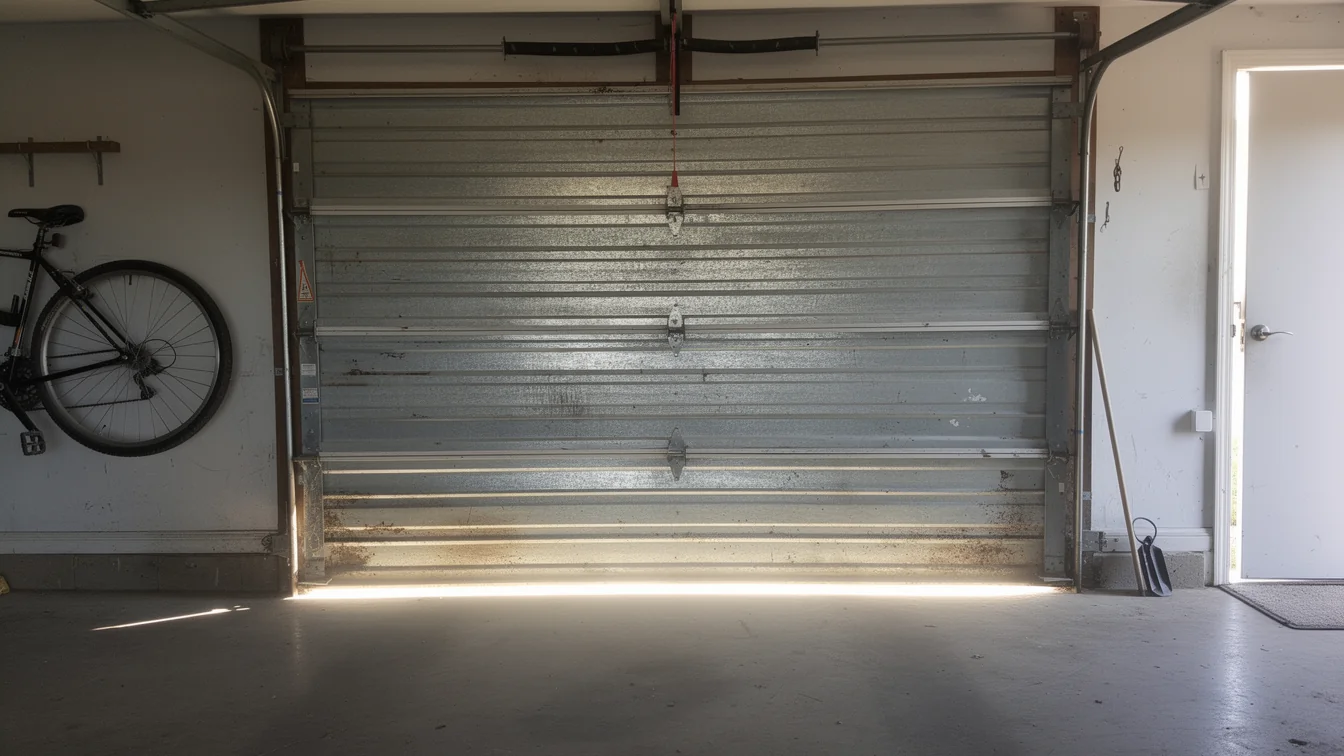 What the 1979-2005 Build Era Means for Your Garage Door
Most Sun City garage doors date to the 1979-2005 building boom.
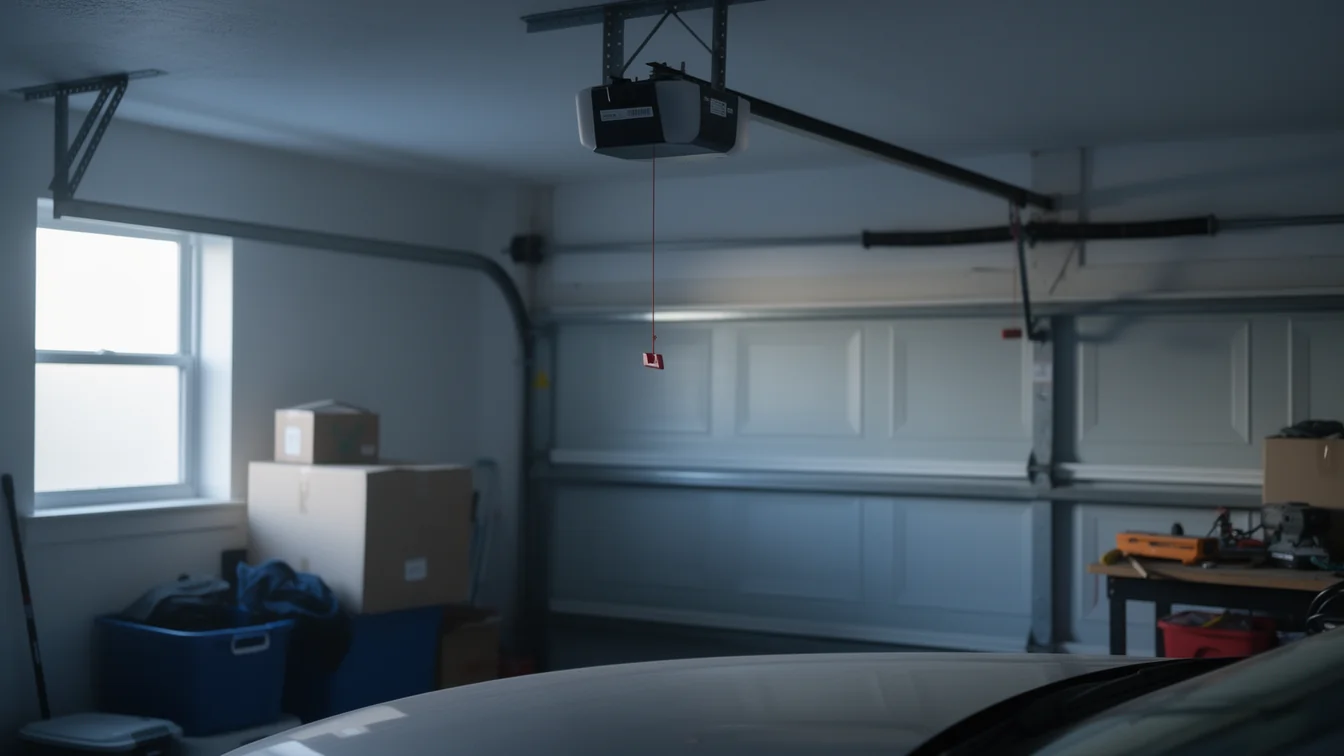 When the Power Cuts Out on a Sun City Opener
Sun City houses built 1979-2005 run openers through brutal summer heat.
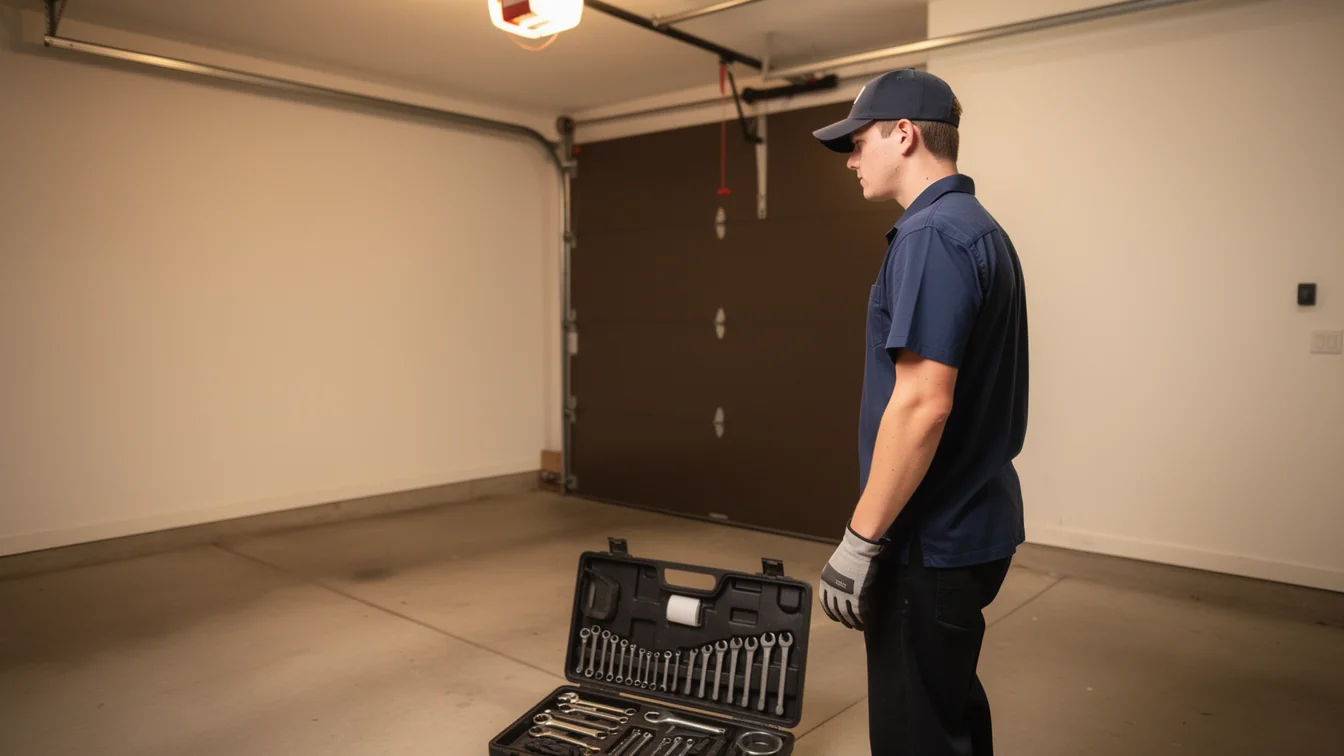 What We Actually Check on a Sun City Service Call
A look at what a Sun City garage door service call actually checks, from 2000s-era hardware to heat-driven wear on tracks, springs, and openers.
Ready when you are
Need a garage door sorted in Sun City?
Sun City Garage Door Pros repairs and installs garage doors, springs and openers in Sun City, AZ and the surrounding area.